Tree Inventory & Site Assessment Tool
This Field Maps application is designed to support arborists, developers, and surveyors in collecting detailed, location-based tree data directly in the field. It captures key attributes such as species, health, risk level, canopy spread, and recommended action—creating a structured dataset that can be used for site planning and decision-making.
By combining mobile data collection with GIS, the tool enables real-time documentation of tree conditions, helping teams assess which trees should be preserved, pruned, or removed. The result is a more efficient workflow and a clearer understanding of ecological and development constraints on-site.
-
This mobile GIS tool makes it easy to collect, organize, and review tree data directly in the field.
Step 1 — Open the survey in the field
Users access the Arborist Survey through ArcGIS Field Maps on a mobile device while walking the site.Step 2 — Capture tree location and details
For each tree, the user records key attributes such as species, health, significance, risk level, crown spread, diameter, height, and recommended action.Step 3 — Add supporting documentation
Photos and attachments can be added in real time to document site conditions and support later review.Step 4 — Standardize decisions
Structured fields help create consistency across observations, including whether a tree should be retained, removed, or flagged for follow-up.Step 5 — Sync data for planning and review
Once submitted, the information becomes part of a mapped dataset that can be reviewed by arborists, developers, surveyors, and project teams to support site planning and decision-making. -
This tool is designed for teams that need fast, organized, location-based tree data in the field.
Arborists
To document tree condition, assess risk, and recommend action.Developers
To better understand site constraints and opportunities before design or construction decisions are made.Surveyors and project teams
To maintain a structured inventory of tree data that can be referenced alongside other site information.Planners and property owners
To support clearer communication around preservation, removal, and long-term site strategy.
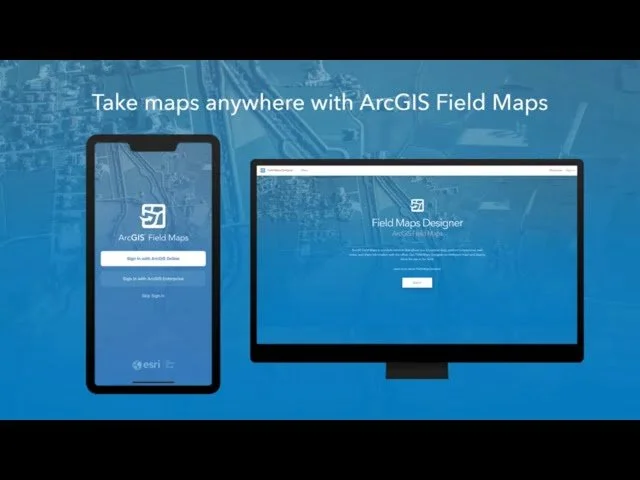
Download Field Maps and give this a try